


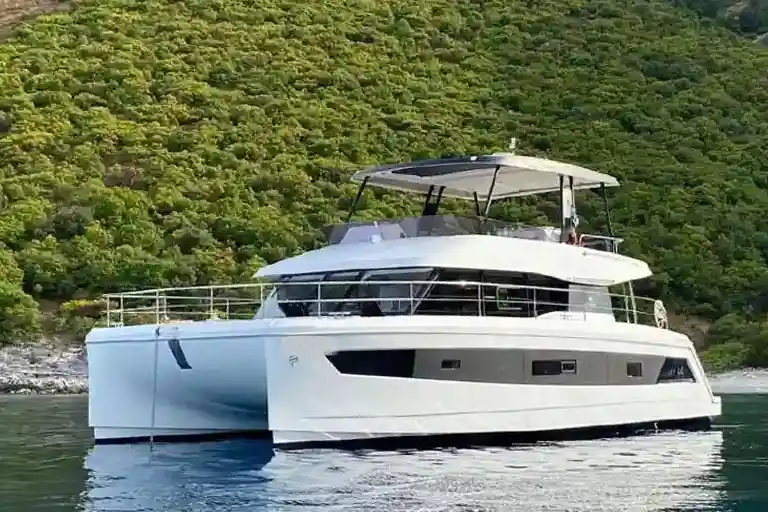

How to sell a yacht

November 4, 2025
How to sell a yacht: the process of selling your boat doesn’t have to be intimidating. This expert guide unpacks the process into eight ycht broker professional tips.
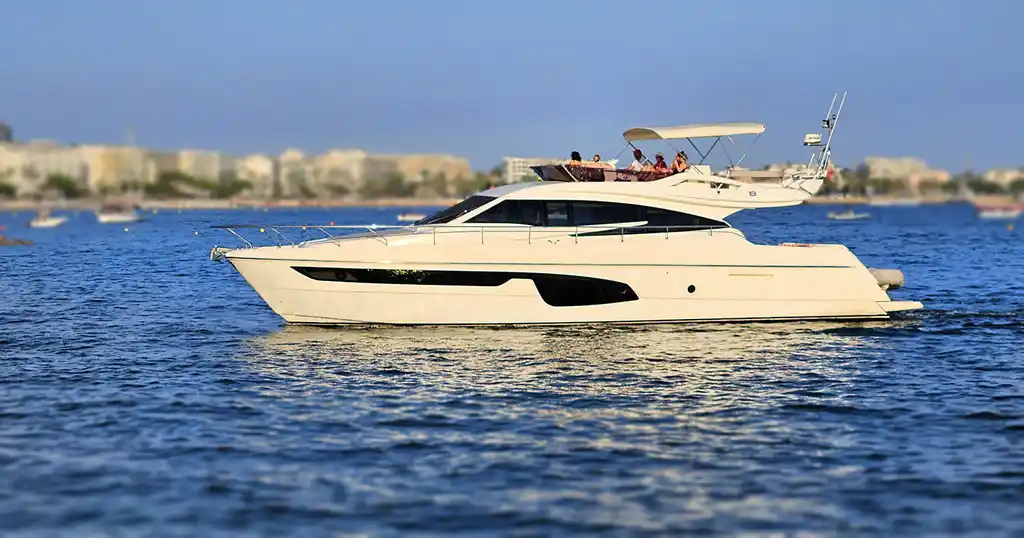
Buying a used yacht can take up a great deal of your time if you do not adhere to a defined process.
Additionally, the process of purchasing a pre-owned boat will differ from that of purchasing a brand new yacht. Now, let’s identify the most significant steps in buying your dream yacht.
Define your yachting goals before you begin your search to prevent costly mistakes.
After choosing a few yachts, contact a broker and arrange for a visit to see the yachts in person. Yacht inspections can be done privately or at a boat show, depending on availability of the yacht. Inspections may take place at scheduled boat shows, or by private appointment, pending yacht’s availability.
Plan your boat visit with your anticipated guests, such as your spouse, friends, or captain.
After you find an appropriate yacht, your broker will submit a formal offer using an industry-standard purchase agreement. The agreement defines the schedule for the sea trial, survey, acceptance and closing. You typically put down a 10% deposit of the offer price that is held in escrow with your attorney or broker.
Always get an offer in writing, listing all parts of the vessel, dependent on a good survey. This gives you the opportunity to negotiate the price based on needed repairs. The seller has the option to accept, reject, or counter your offer.
For first-time yacht owners, we advise against purchasing a used vessel requiring a substantial refit. It’s often more complex and costly than buying a brand new yacht.
R. van der Deure – Yacht Broker
Take the boat out on a sea trial for testing performance and handling. Keep in mind that operating with a partial crew compared to a full passenger complement can be worlds apart. Check all major equipment, including stabilizer, air conditioning, etc.
The sea trial, which is generally no more than four hours, is regularly paid for by the seller.
Check cruising and max speeds during the trial and evaluate how the boat moves and sounds throughout the interior.
It is strongly advised to hire an independent marine surveyor. Like a home inspector, the surveyor will do a total inspection and write up a report on the state of the boat.
Note: the buyer is responsible for the marine surveyor cost, and the cost of hauling the boat to inspect hull, stabilizers and propellers.
After successful survey and sea trial, the buyer gives written acceptance of the vessel. If the buyer chooses not to go through with the sale, the 10% deposit is now at risk. Deficiencies discovered during the survey are often accommodated by a conditional acceptance allowing the seller time to remedy defects or to offer a monetary concession for the buyer.
An example: a conditional acceptance may reduce the agreed price by 10,000 euros when it is a question of an air-conditioning system defect that cannot be repaired before the closing.
When you sign the purchase agreement, ensure you understand the delivery date and method.
Make sure you and/or your captain have a detailed walkthrough of the boat’s systems before you take possession.
The selection of an appropriate structure and legal form (Commercial Yacht/Private Yacht) for yacht ownership represents an important element in protecting one’s assets and in reducing taxes. This is not simply a matter of choosing a style of life, but a very complex legal and financial decision.
In order to find the best option for your yacht- ownership structure, we strongly advice to seek legal counsel to help in the selection of a flag state or jurisdiction to minimize tax/ VAT obligations as well as to comply with EU regulations.
R. van der Deure – Yacht Broker
The purchaser will be responsible for all costs related to the survey, and haul out of the yacht.
However the yacht is sea trialed for the owner expense and under his insurance and on his charge.
Typically, the seller pays yacht broker’s fees, which are usually 5-7.5% of the price of the boat, excluding VAT.
Formalise Contract: It is best to have a properly written and detailed Sale and Purchase Agreement (Acte de Vente) .
See that you receive all the right registering documents, CE certificate, the records of maintenance carried out on the boat and proof of payment of VAT.
Please note the following: the validity of a boat’s EU VAT Paid Status can be affected if you take the boat out of EU waters for a prolonged period.
Need more info?
Read our Yacht Sales FAQ.

Hi
I’m a senior yacht broker at Charterminute SARL in Antibes since 2011.
Contact me:
Mobile: +33 (0)662.465.991
Email: remi@yachtsforsale.fr